Exploring Chargeback Mitigation Techniques in Integrated Payment Terminal Solutions for Growing Enterprises
Written by Ulrich Coleman · Aug 18, 2026
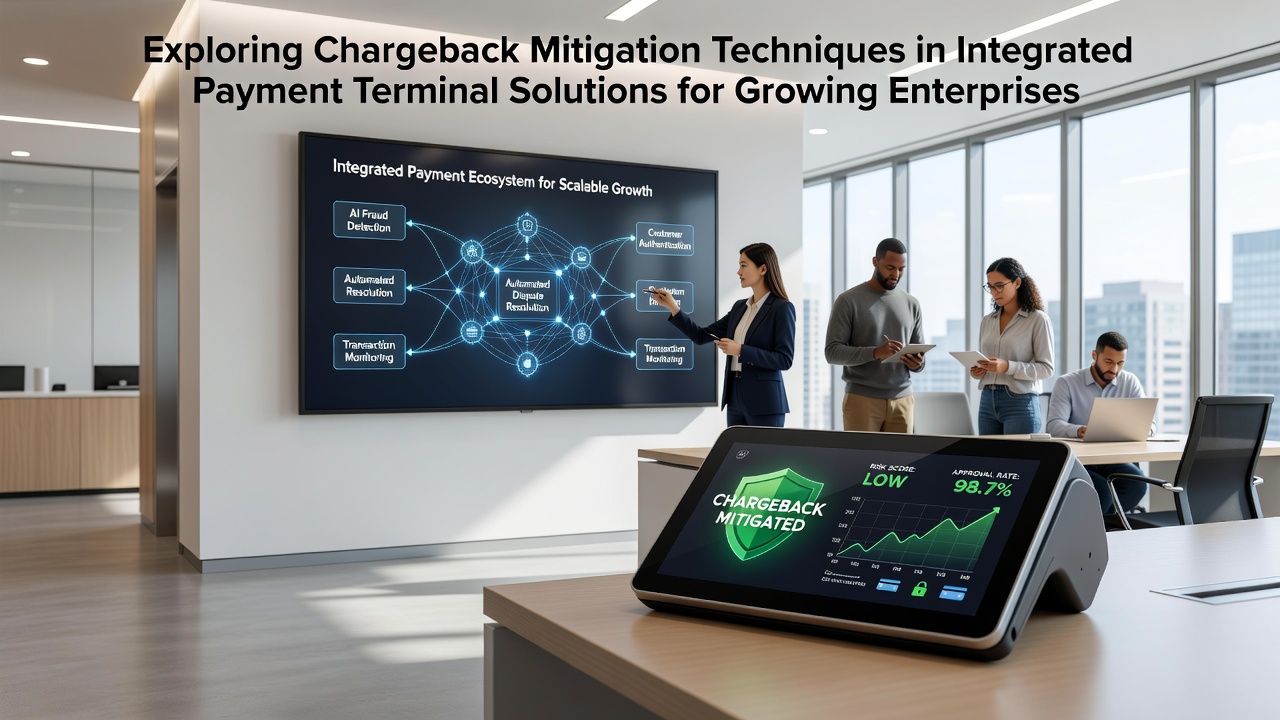
Exploring Chargeback Mitigation Techniques in Integrated Payment Terminal Solutions for Growing Enterprises
Growing enterprises face increasing pressure from chargeback volumes that can disrupt cash flow and strain operational resources, yet integrated payment terminal solutions provide structured approaches to address these challenges through layered verification and data analytics. Payment terminals that connect directly to centralized processing platforms enable immediate checks on cardholder details, transaction patterns, and device identifiers, which helps flag potential issues before authorization completes. Researchers have documented how such integration reduces manual review times by combining address verification service checks with card verification value prompts in a single workflow, and this setup proves especially useful for companies scaling operations across multiple locations.
Core Components of Chargeback Prevention in Modern Terminals
Integrated terminals support several mitigation layers that operate in sequence during each transaction. Address verification service compares billing information against issuer records, while card verification value adds an extra numeric check that unauthorized users rarely possess. Three-domain secure protocols route authentication requests through issuer servers, and data from these steps feeds into risk scoring engines that assign values based on historical patterns. Observers note that terminals equipped with tokenization replace sensitive card data with unique identifiers, which limits exposure if records are compromised and simplifies dispute resolution when transactions occur across different channels.
Enterprises often deploy these features through cloud-connected devices that update rulesets automatically, allowing adjustments when new fraud indicators emerge. Studies from payment security councils indicate that terminals using dynamic risk thresholds experience lower dispute rates compared with standalone systems, because the integrated platform correlates data from inventory systems, customer relationship management tools, and prior transaction logs in real time. As of August 2026, updates to PCI DSS requirements have encouraged wider adoption of these unified terminals among mid-sized retailers seeking compliance without separate hardware investments.
Data-Driven Approaches and Terminal Integration Benefits
Analytics modules within integrated terminals track metrics such as refund frequency, geographic anomalies, and velocity patterns that commonly precede chargebacks. Machine learning models process these inputs to generate alerts that prompt staff to request additional verification or decline high-risk sales before funds move. According to reports from the Consumer Financial Protection Bureau, organizations that combine terminal-level controls with backend monitoring reduce successful disputes by correlating customer behavior data across payment streams.
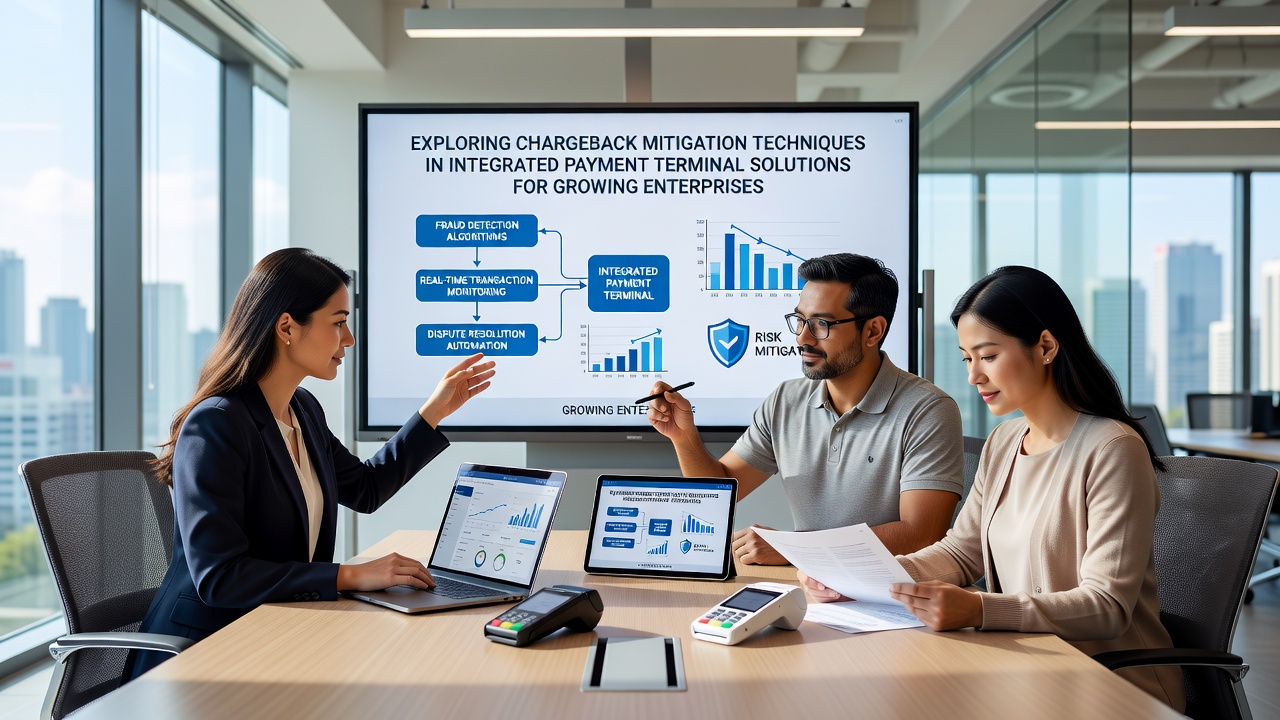
One case involved a distribution company that linked its inventory terminals to a central fraud database, resulting in automated holds on orders where shipping addresses mismatched previous purchases. The system flagged repeated attempts from the same device across multiple accounts, and staff could intervene through the terminal interface without delaying legitimate sales. European Central Bank analyses of similar setups show measurable drops in unauthorized transaction claims when terminals enforce these cross-checks consistently. What's notable is how the unified architecture eliminates data silos that previously delayed responses to emerging threat patterns.
Implementation Considerations for Scaling Operations
Enterprises expanding into new markets benefit from terminals that adapt to regional regulations through software updates rather than hardware replacements. Configuration options allow customization of verification prompts based on transaction size or product category, which helps maintain conversion rates while addressing sector-specific risks. Trade association data reveals that companies investing in staff training on terminal alerts see faster adoption of mitigation protocols, because teams learn to interpret risk scores without disrupting checkout flows.
Partnerships with acquirers often include access to shared intelligence networks that supply updated lists of compromised credentials and high-risk merchants. These feeds integrate directly into terminal software, enabling pre-authorization screening that prevents many chargebacks at the source. Canadian regulatory summaries highlight how such network participation correlates with improved recovery rates when disputes do occur, since detailed terminal logs provide clear evidence for representment processes.
Conclusion
Integrated payment terminal solutions deliver coordinated tools that address chargeback risks through verification, analytics, and adaptive controls tailored to enterprise growth trajectories. Data from multiple regulatory sources demonstrates consistent patterns of reduced dispute volumes when these systems operate in tandem with existing business platforms, and ongoing standard updates continue to shape their deployment. Enterprises that align terminal capabilities with broader risk management strategies position themselves to handle increasing transaction volumes without proportional rises in administrative burdens.