The Intersection of Mobile Technology and Traditional Merchant Services in Reducing Transaction Overhead
Written by Mara Werner · Aug 25, 2026
The Intersection of Mobile Technology and Traditional Merchant Services in Reducing Transaction Overhead
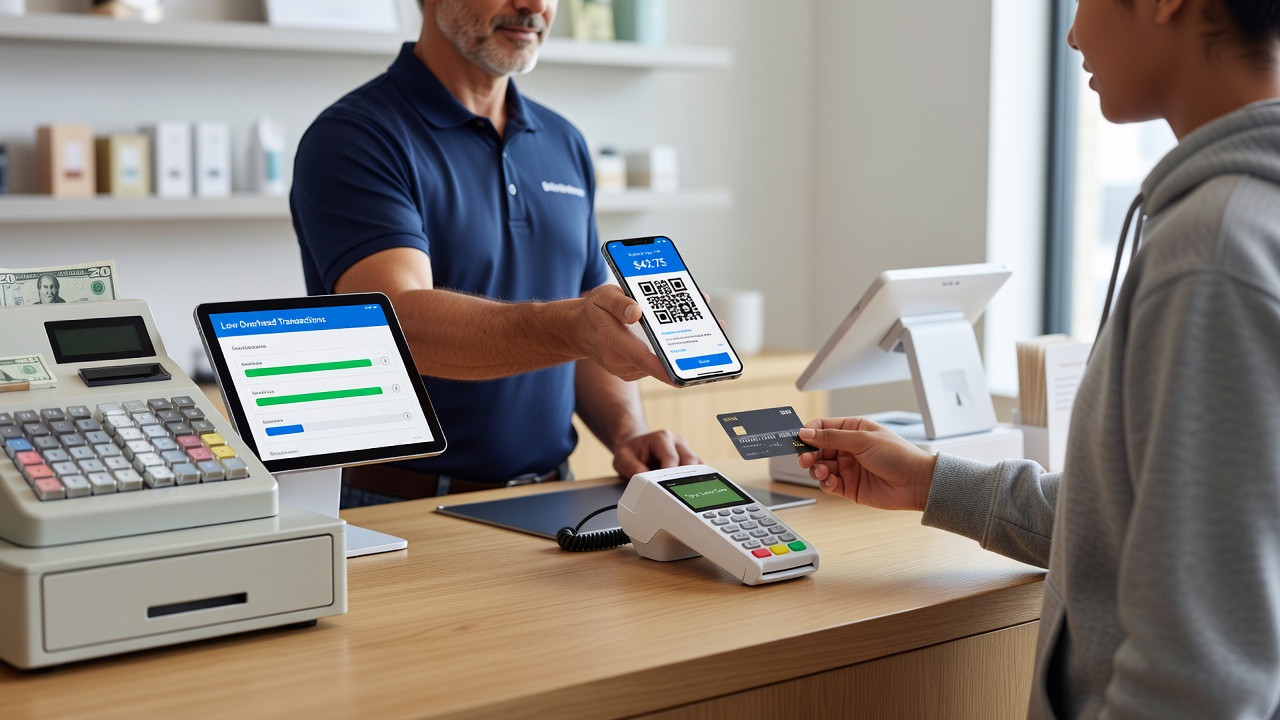
Merchants across multiple sectors continue to examine how mobile technology combines with established merchant services to lower the costs tied to each transaction, and observers note that this blend creates streamlined processes where data moves directly from customer devices into existing payment infrastructures without adding layers of manual reconciliation. Research from the Federal Reserve indicates that businesses adopting hybrid systems see measurable drops in processing fees because mobile interfaces reduce the need for separate hardware maintenance while still routing transactions through secure traditional gateways.
Mobile Applications Enhancing Legacy Systems
Developers have built mobile applications that connect directly to point-of-sale terminals already in use, which allows staff to complete sales on handheld devices while the backend settlement occurs through the same networks that handled card-present transactions for years, and this approach cuts down on duplicate data entry that previously inflated overhead. Those who study payment flows report that integration points between apps and legacy processors now handle encryption at the device level, which eliminates separate security audits in many cases.
Data Flow and Cost Reduction Patterns
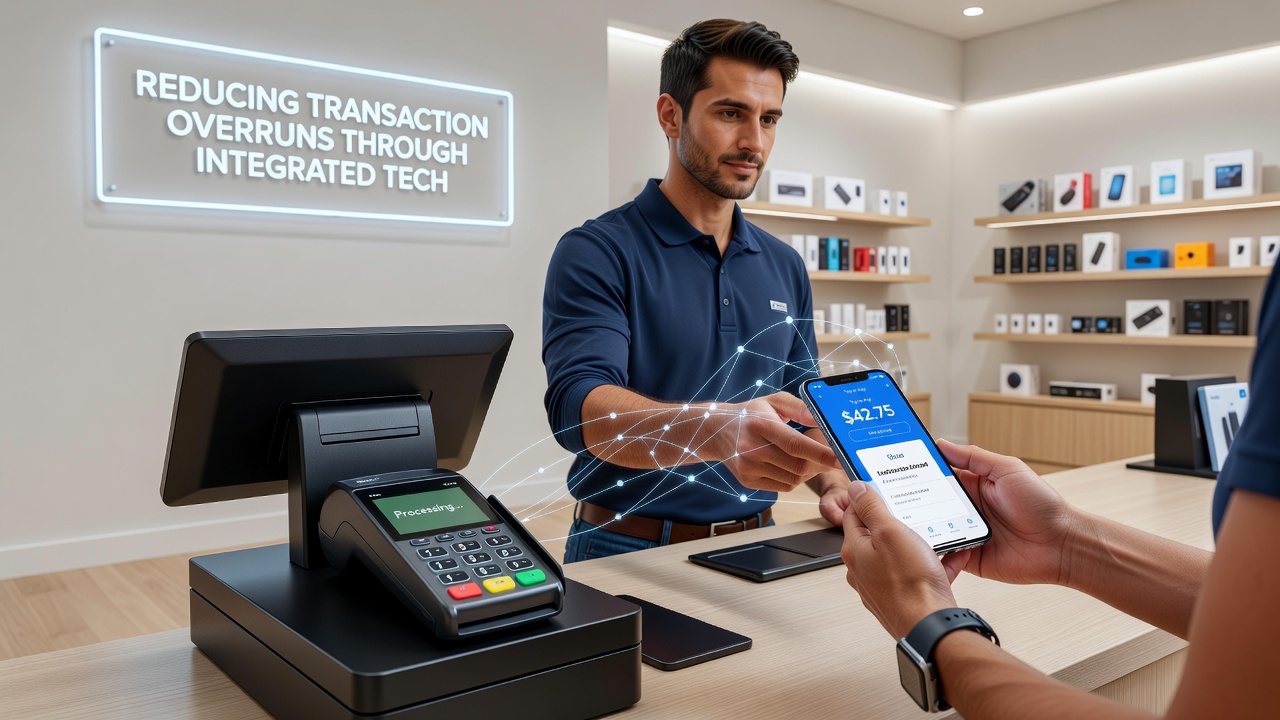
Transaction overhead shrinks when mobile technology captures customer details at the moment of sale and immediately feeds them into traditional merchant accounts, whereas older methods required staff to rekey information into batch systems after hours, and evidence from payment processors shows this real-time handoff trims labor hours per location by measurable percentages each month. One industry report highlighted retailers who moved from standalone terminals to paired mobile solutions and recorded lower per-transaction costs because fewer intermediaries handled the authorization step.
Examples from Retail Operations
Take a mid-sized grocery chain that equipped associates with tablets linked to existing card machines, and the setup allowed instant inventory updates alongside payment capture, which removed the need for end-of-day reconciliation batches that once required extra accounting staff time. Another case involved a regional pharmacy network that synchronized mobile checkout apps with its long-standing acquirer agreements, resulting in faster fund availability because settlement cycles shortened from two days to same-day processing in most instances.
Security Standards and Regulatory Alignment
Compliance requirements remain consistent across mobile and traditional channels because both must meet the same PCI DSS criteria, yet mobile layers add device-level controls such as tokenization that further protect card data during transmission, and regulators in various regions continue to monitor these combined setups for any gaps in audit trails. Data from the European Central Bank shows that merchants using integrated mobile-traditional platforms experienced fewer security-related interruptions in 2025, which contributed to steadier operational expenses throughout the year.
August 2026 Developments and Projections
By August 2026 several payment networks plan to roll out updated APIs that will let mobile apps communicate more directly with traditional settlement engines, and analysts expect these changes to further compress the time between authorization and deposit while keeping overhead costs in check for high-volume merchants. Industry organizations note that pilot programs already underway demonstrate reduced exception handling when mobile captures feed straight into established reconciliation tools.
Challenges in Implementation
Businesses still encounter hurdles when mapping mobile data fields to legacy terminal formats, and mismatches can create temporary spikes in manual reviews until configurations stabilize, whereas those who complete thorough testing before full deployment report smoother transitions with minimal added expense. Research indicates that training programs focused on both mobile interfaces and traditional back-office procedures help staff avoid errors that would otherwise increase processing overhead.
Conclusion
The ongoing convergence of mobile technology with traditional merchant services produces clear pathways for lowering transaction overhead through direct data integration, reduced manual steps, and aligned security protocols, while ongoing updates scheduled for 2026 promise additional efficiencies for organizations that maintain compatible systems. Observers continue to track adoption rates across sectors to quantify long-term savings as these combined approaches become standard practice.